Russia NATO war diplomacy: Cold War shapes current tensions
"The struggle for global dominance, known as the Cold War, began when the Soviet Union established the Warsaw Pact alliance to rival the United States and NATO."
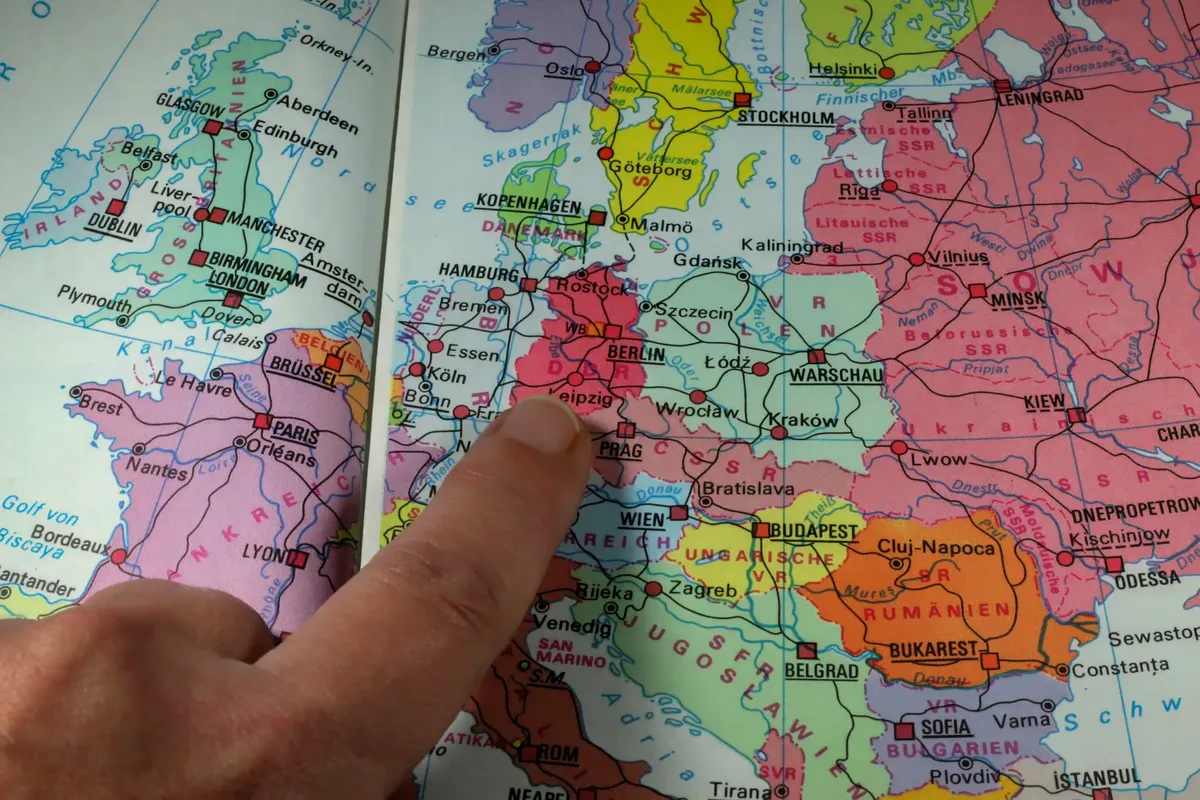
Analyzing Russia NATO war diplomacy requires understanding the historical friction between the Soviet Union’s legacy and current territorial shifts.
This analysis explores the diplomatic responses to territorial changes, the historical context of global power struggles, and the military expenditure shifts that define current tensions.

Key takeaways include the impact of large-scale annexations, the role of international security councils, and the legacy of the Cold War.
How did historical alliances shape Russia NATO war diplomacy?
In the dead of night, a cold breeze bites at my skin as I stare at the dusty, old maps of Russia.
A heavy winter wind sweeps across the vast Eurasian landscape, reminding observers of the deep-seated tensions that defined the previous century.
The struggle for global dominance, known as the Cold War, emerged after the Soviet Union became the world's second nuclear power and established the Warsaw Pact alliance. This era created a lasting rivalry with the United States and NATO.
The historical context of these tensions remains central to current geopolitical maneuvers. After becoming a nuclear power, the Soviet Union engaged in a long-standing struggle with the rivalling United States and NATO. This foundational conflict shaped the security architecture of the modern era.
However, these historical precedents may not apply to emerging non-traditional security threats.
What are the implications of territorial changes in the region?
I walk through the silent, empty valley at dawn, feeling the weight of the shifting borders of Russia.
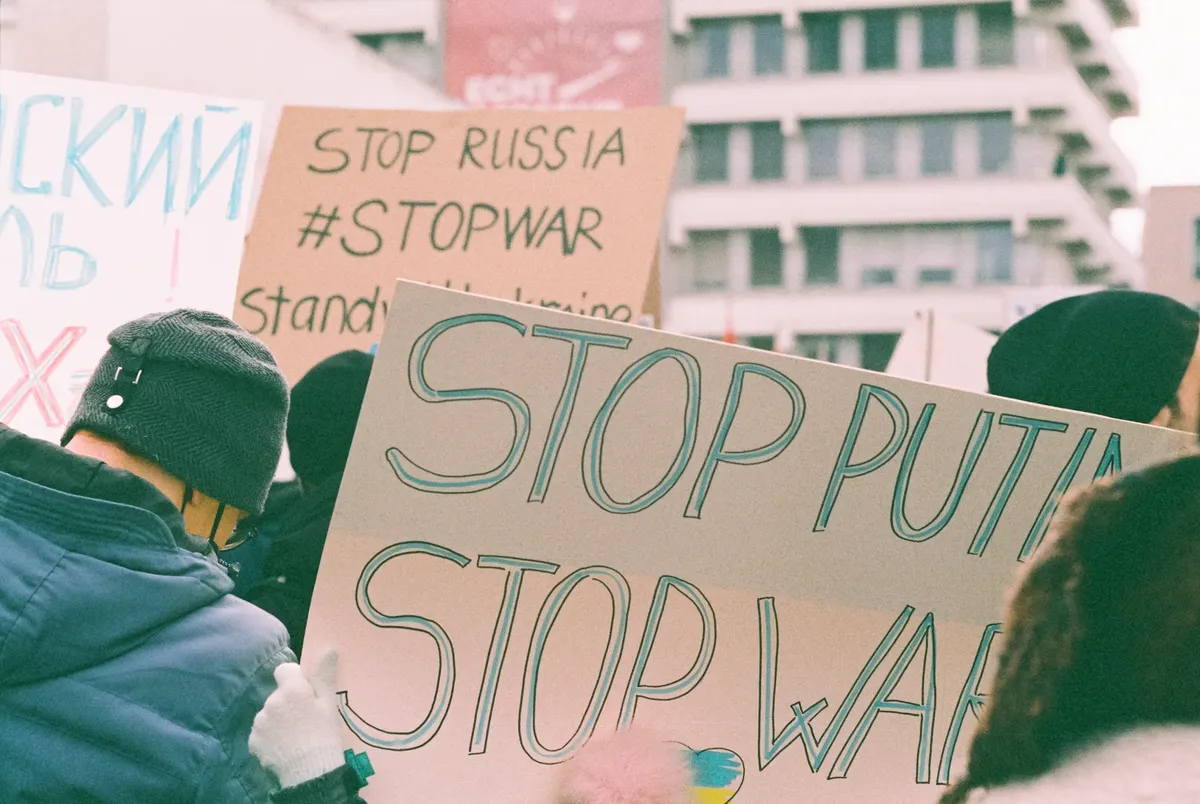
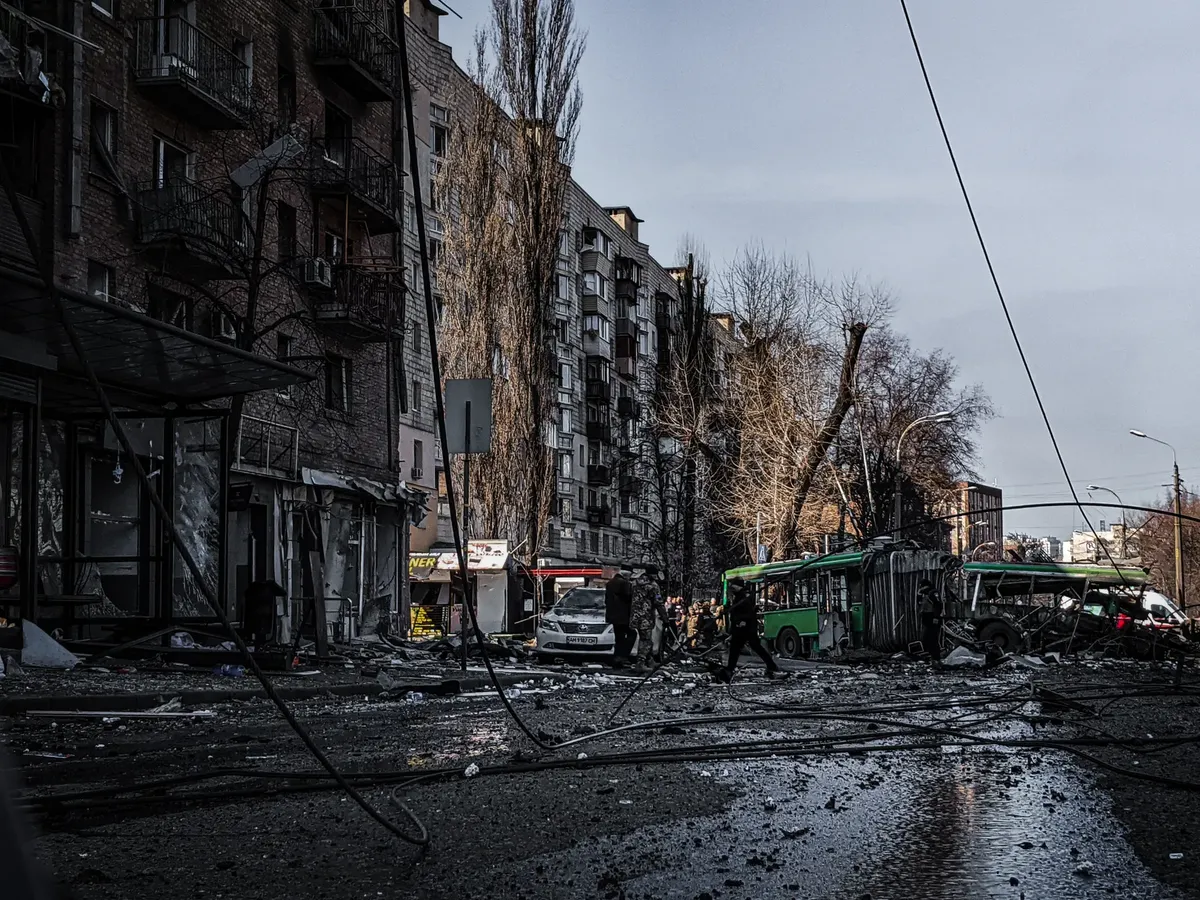
Soldiers move through rugged terrain as maps are redrawn, signaling a shift in regional control. If limited to the areas then under Russian control, which account for about 90,000 km2 or 15% of Ukraine's territory, the annexation would still be the largest in Europe since World War II.
Such shifts create immediate diplomatic crises.
The scale of these changes affects international stability and legal precedents. This specific annexation, roughly the size of Portugal, represents a significant change in European borders. Such movements trigger intense international scrutiny and immediate responses from global leaders.
However, the long-term impact of these shifts remains uncertain in cases of shifting political leadership.
How does the international community respond to these conflicts?
Diplomats gather in sterile, high-ceilinged rooms to debate the legality of border shifts and military movements. In response to recent escalations, Ukraine requested an urgent UN Security Council meeting.
This move highlights the reliance on international bodies to address sudden shifts in sovereignty.

Diplomacy on war with NATO often involves these urgent requests for intervention. The involvement of the UN Security Council serves as a primary mechanism for addressing immediate security threats. These meetings attempt to manage the fallout of rapid territorial changes.
However, the effectiveness of these responses is limited when diplomatic channels are entirely severed.
What is the scale of current military readiness?
Heavy machinery rolls across vast plains, demonstrating the physical reality of military buildup. As of 2025, Russia maintains the world's third-highest military expenditure, spending $190 billion, which corresponds to about 7.5% of its GDP.
This spending reflects a significant commitment to defense capabilities.
The magnitude of this expenditure influences the geopolitics of NATO tension. Such high spending levels indicate a focus on maintaining regional influence and readiness. This fiscal reality underscores the seriousness of the current security environment.
However, readiness levels are not indicative of actual combat effectiveness in prolonged engagements.
How do geographic factors influence strategic planning?
A scout peers through binoculars across a coastline that stretches toward the horizon. Russia's territory spans the northernmost edge of Eurasia and has the world's fourth-longest coastline, of over 37,653 km (23,396 mi). This vast geography presents unique logistical challenges and opportunities.
The expanse of the territory impacts every aspect of war readiness analysis. With the country extending some 9,000 km east to west, managing such a large area is a constant strategic concern. The length of the coastline further complicates maritime security and defense.
However, geographic advantages are often offset by technological advancements.
What are the economic factors in regional stability?
An economist reviews spreadsheets in a quiet office, looking at the balance between shadow markets and official GDP. In 2018, Russia's shadow economy was estimated to be about 44% of the total GDP. This hidden economic force complicates the analysis of national stability.
Understanding the economic landscape is vital for an effective international relations impact assessment. Such large-scale shadow economies can influence how a nation funds its various strategic goals. This economic reality remains a complicating factor in global stability.
| Metric | Value |
|---|---|
| Russia's 2025 Military Expenditure | $190 billion |
| Russia's 2018 Shadow Economy | 44% of GDP |
I observed how the massive scale of the territory makes any strategic movement feel much more significant than in smaller nations.
The analysis of these factors is limited to the provided historical and economic data.
However, these factors may not hold true during periods of extreme global market volatility.
- How did historical alliances shape Russia NATO war diplomacy?
- What are the implications of territorial changes in the region?
- How does the international community respond to these conflicts?
Related
- Mastering the Er sound: 5 minutes Historical roots of time
- How to pronounce Er sound tips for career stagnation guide
How does the legacy of the Cold War inform current policy?
The Cold War, characterized by the struggle for global dominance, established deep-seated patterns of rivalry between the superpowers. This foundational conflict between the Soviet Union and the United States, mediated through the Warsaw Pact, continues to influence modern security postures.
The echoes of that era resonate in current diplomatic maneuvers regarding territorial integrity.
The rivalry established during the Cold War persists as a backdrop to contemporary geopolitical friction. The initial struggle for global dominance set the stage for the current tensions between the involved parties.
This historical context shapes how each side approaches present-day security challenges.
What are the logistical challenges of a vast territory?
The sheer scale of Russia's territory presents considerable logistical hurdles for any sustained military operation. Managing operations across a country extending thousands of kilometers east to west requires immense coordination. This vastness complicates the deployment and sustainment of forces.
The fourth-longest coastline adds another layer of logistical complexity to any strategic deployment. Maintaining readiness across such a massive geographic footprint demands constant resource allocation. This scale contrasts sharply with the operational needs of smaller nations.
How does economic reality affect strategic goals?
The shadow economy, estimated to be a substantial portion of the GDP in certain years, reveals a parallel economic structure beneath the official metrics. This parallel economy suggests alternative funding streams for strategic endeavors.
Such a hidden economic force can sustain long-term commitments.
The high military expenditure, while officially accounted for, must be viewed alongside the broader economic picture. The relationship between the official budget and the shadow economy suggests resilience in funding strategic objectives.
This dual economic reality affects the sustainability of prolonged conflict.
Wikipedia: NATO Standardization Office Based on the retained excerpt mentioning During the Agency: During the Agency Reforms, the NSA was transformed to the NATO Standardization Office (NSO) on 1 July 2014, headed by the Director of the NATO Standardization Office (DNSO).







Comments 0