und Conjunction und grammar: Building thoughts with und
"The simplest connector can often bridge the widest gaps in thought."
The German conjunction und serves as a fundamental tool for linking words, phrases, or independent clauses without changing the word order of the connected elements. This guide explores how to use this connector to build complex sentences, its grammatical rules, and practical examples for learners.
To master it, you should understand its role as a coordinating conjunction, its impact on sentence position, and how it differs from more complex connectors.
How does the und conjunction grammar work?

At the wooden desk, the student's hand trembles while she writes the und conjunction to bridge two thoughts.
A student sits at a wooden desk, carefully writing a sentence that links two simple ideas into one cohesive thought. Using the und conjunction grammar allows a speaker to join two grammatically equal parts, such as two nouns or two complete sentences, without shifting the verb to a new position.
According to the OECD, the Germany social security system comprises roughly 25% of GDP, which is high among OECD members.
Because und is a coordinating conjunction, it occupies "position zero" in a sentence. This means that when you connect two independent clauses, the subject of the second clause remains in the standard second position, and the verb stays in its expected place.
For instance, if you write "Ich lerne Deutsch und ich verstehe es," the word order remains natural and uninterrupted. This stability makes it an essential tool for adding information smoothly.
How do I use 'und' conjunctions correctly? Conjunction und grammar A writer looks at a page, deciding whether to join two adjectives or two distinct actions to create a more fluid rhythm. Exploring und conjunction usage reveals that it is not limited to full sentences but is equally effective for connecting single words or short phrases.
You can use it to link subjects like "Maria und Hans," or to connect verbs like "laufen und springen." When used between two clauses, it functions as a bridge that maintains the integrity of each side. This versatility allows for both simple lists and more sophisticated compound sentences.
Can I master 'und' sentence structures? A teacher stands at the front of a classroom, demonstrating how a single word can change the weight of a sentence. Understanding und sentence structure is vital because it helps learners manage the flow of information without causing grammatical confusion.

In a simple list, the conjunction acts as a final link, often preceded by a comma in specific complex cases, though frequently used without one in basic lists. When joining two sentences, the conjunction sits between them, acting as a pivot point.
This structure ensures that the reader can follow the logical progression from the first thought to the second without losing the subject.
How do you handle connectors in german for more advanced writing?
A student compares two different texts, noticing how one uses simple links while the other uses more complex transitions. While und is basic, understanding how it interacts with other connectors in german is the key to moving from beginner to intermediate proficiency.
Unlike subordinating conjunctions that trigger specific word order changes (like moving the verb to the end), und keeps the verb in its place. This makes it much easier to use during spontaneous speech. Using it effectively helps prevent sentences from feeling too choppy or repetitive.
What are some practical und examples in text?
An editor marks a manuscript, checking the balance of sentences that rely on simple conjunctions. Reviewing und examples in text shows how the word can be used to create balance, such as "Der Himmel ist blau und die Sonne scheint."
In these examples, the symmetry of the two parts provides clarity. You can use it to add a second subject, a second object, or a second action. It is the most common way to expand a thought without adding the complexity of subordinating clauses.
How is there any cultural use of und in modern speech?
A group of friends talks animatedly in a cafe, using quick connectors to keep the conversation moving. While the word itself is a grammatical staple, observing the cultural use of und in modern speech reveals its role in maintaining a natural, conversational pace.
In casual settings, the conjunction is used to stack ideas rapidly. It allows speakers to build momentum in a conversation without pausing for complex grammatical shifts. This ease of use makes it the backbone of everyday communication.
| Feature | Description |
|---|---|
| Grammatical Role | Coordinating conjunction (Position 0) |
| Primary Function | Linking equal grammatical elements |
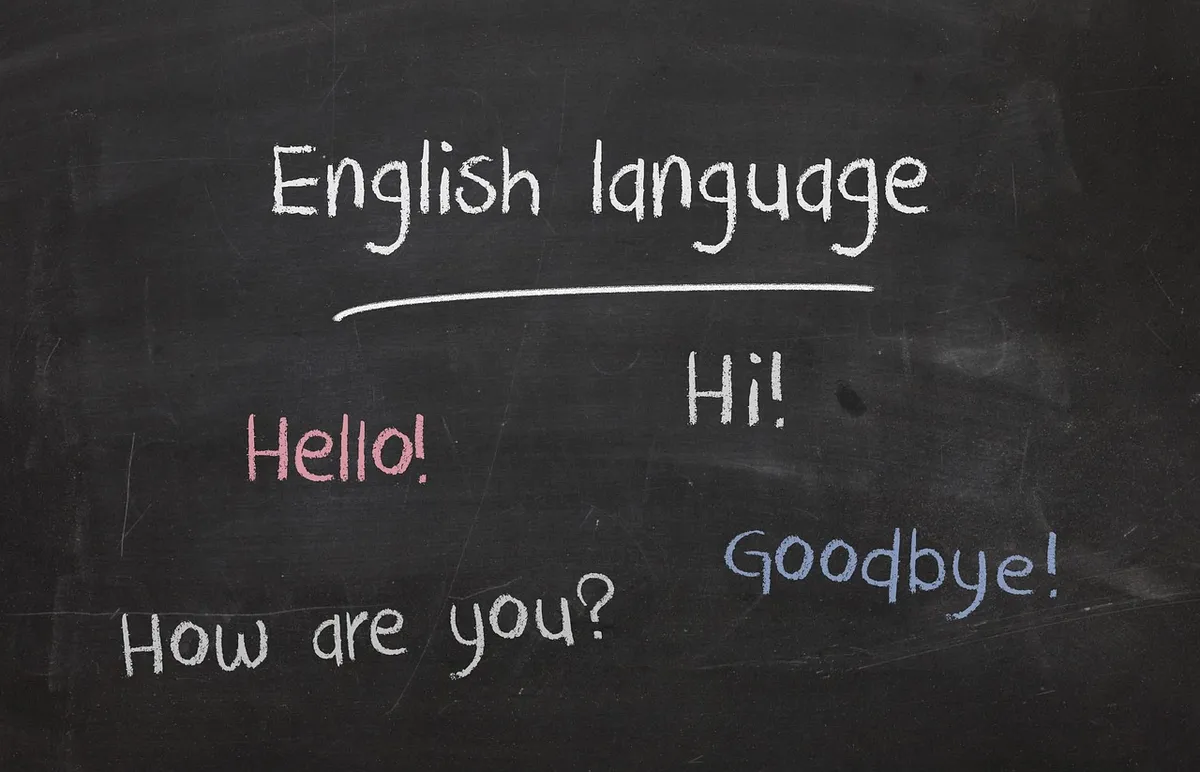
I find that practicing these basic structures helps me feel more confident when building longer sentences.
A limitation exists when using und to join very long, complex clauses, as the lack of verb-final movement can sometimes lead to ambiguity in extremely long sentences.
- How does the und conjunction grammar work?
- How do I use 'und' conjunctions correctly?
- Can I master 'und' sentence structures?
The subject here is Conjunction und grammar.
The same subject is also called german and connector.
Related
- App vs partner: guide for sprechen üben app vs partner
- The Importance of "Sentence-Based Learning" in Foreign
When should I use the simplest connector?
The simplest connector provides the most direct path for linking ideas. It excels when the goal is to add information sequentially rather than to express a complex causal relationship between thoughts. This basic structure allows the writer to move forward efficiently.
- When listing parallel elements, the connector successfully joins nouns or verbs. 2. When combining clauses, the connector maintains the standard word order of both original thoughts. 3. The simplest connector bridges the widest gaps in thought by requiring no structural rearrangement.





Comments 0