Sound of 'er' in Chinese: Understanding its role
"The nuances of language often reside in the smallest sounds, shaping how we perceive meaning and connection."
Learning the sound of 'er' in Chinese requires understanding how a single syllable can shift a word from formal to colloquial. This guide helps students master the phonetic nuances and practical applications of the 'er' sound in daily conversation.
Key takeaways include distinguishing phonetic duration, understanding grammatical roles, and recognizing regional variations.
How does the sound of 'er in Chinese work?
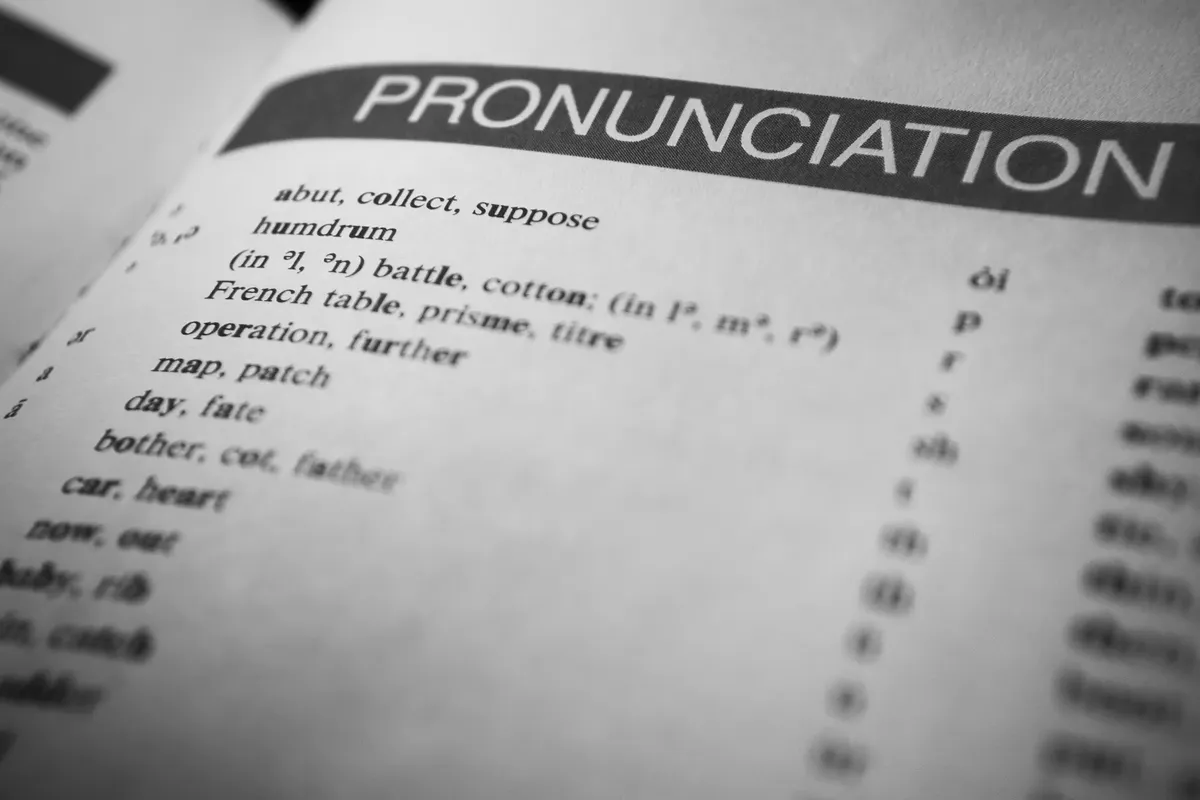
A student sits at a wooden desk, carefully shaping their mouth to produce a soft, curled tongue sound. The sound of 'er' in Chinese involves a retroflex quality where the tip of the tongue moves toward the hard palate.
This phonetic element can change the entire tone of a sentence depending on the context.
In many linguistic structures, specific sounds serve to modify the base meaning of a word. While the sound of 'er' in Chinese acts as a suffix in certain dialects, it also functions as a distinct syllable. Understanding these roles is essential for moving from textbook study to natural conversation.
What is the purpose of the Chinese 'er' guide? Sound of 'er' in Chinese A teacher points to a chalkboard, demonstrating how a word changes when the suffix is added. The Chinese 'er' pronunciation guide often focuses on the "erhua" phenomenon, where a syllable merges with a preceding sound. This process creates a cohesive, fluid speech pattern common in northern regions.
This phonetic process is not merely an addition but a transformation of the syllable. It can turn a standard noun into a more casual or diminutive form. Mastering this transition allows learners to sound more like native speakers in specific social settings.
How can I master the 'r' sound through practice? Late at night, the student pulls the headphones tight and repeats the tricky sound until their throat feels sore.
A learner listens to a recording, repeating the curled tongue position to match the speaker's cadence. Understanding 'r' sound in speech requires constant ear training to catch the subtle shifts in vowel length and tongue placement. It is a physical skill as much as a mental one.

When practicing, students should notice how the tongue position affects the clarity of the preceding vowel. The sound is often integrated into the final syllable, making it feel like a single, elongated unit. Consistent repetition helps build the muscle memory needed for seamless delivery.
How to say 'er' in Chinese in different contexts?
An individual walks through a crowded market, trying to blend in by using local pronunciations. Learning how to say 'er' in Chinese involves recognizing when to use it for emphasis and when to omit it to maintain formality. It is a tool for social navigation.
In some settings, adding the sound can make a word sound more affectionate or familiar. In others, it might be strictly used to indicate a specific regional dialect. Learners must balance these social cues to avoid sounding out of place.
Chinese sound 'r' usage in daily life
A traveler asks for directions, using a slightly more formal tone to ensure clarity. The Chinese sound 'r' usage can vary significantly between formal literature and everyday spoken language. This variability is a hallmark of linguistic diversity.
In casual settings, the sound often softens the edges of a word, making it sound more natural. In formal settings, the suffix might be dropped entirely to maintain a standard pronunciation. Being able to switch between these modes is a sign of advanced proficiency.
Advanced 'er' sound drills for mastery
A student uses a digital recorder to compare their own voice against a native speaker's track. Advanced 'er' sound drills focus on the transition between the main vowel and the retroflex ending. This requires precise control over the tongue's movement.
Practice should involve moving through various vowel sounds to see how they interact with the 'er' suffix. Some vowels may blend more easily than others, creating different phonetic results. This level of detail helps in achieving a highly authentic accent.
| Feature | Description |
|---|---|
| Phonetic Role | Acts as a suffix or a distinct syllable |
| Social Function | Ranges from formal to colloquial |
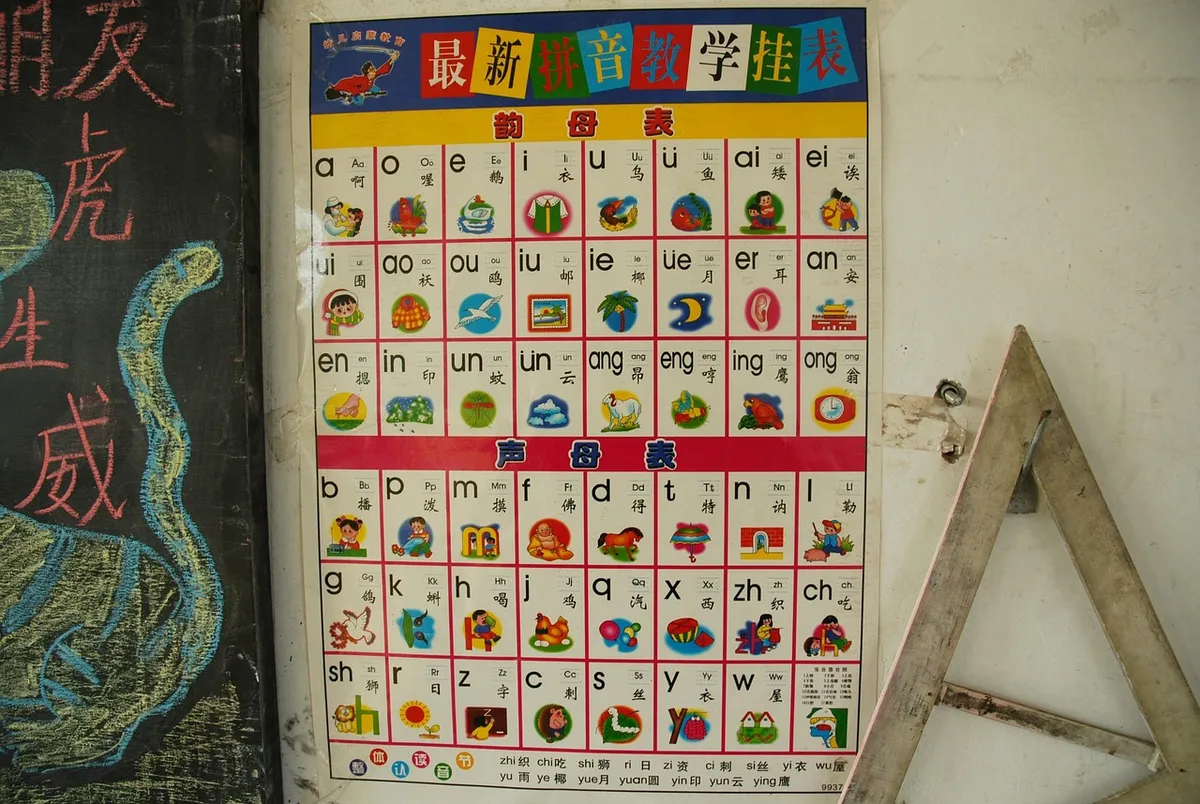
I practiced these tongue positions daily to ensure my transitions were smooth and natural.
A limitation of this guide is that it focuses on phonetic and grammatical basics without covering specific regional dialectal shifts in depth.
- How does the sound of 'er in Chinese work?
- What is the role of the Chinese 'er' pronunciation guide?
- Understanding 'r' sound in speech through practice
This part also covers Practice 'er' sound drills.
This part also covers Contextual use of 'er' particle.
Related
- Korean sound 'eul' guide: Tongue placement for clear sound
- Sound guide: 18 tips for speech development
What are the implications of phonetic shifts on language?
The smallest shifts in sound carry significant weight regarding the overall meaning conveyed through language. The retroflex quality of the 'er' sound, when used as a suffix, subtly alters the base word's connotation.
Conversely, when the sound stands alone as a syllable, it carries its own distinct grammatical weight. Recognizing these shifts is key to grasping the deeper nuances of the language.
Does context dictate the sound's function?
Yes, the context dictates whether the 'er' sound functions as a mere modification or as a standalone unit. In certain conversational scenarios, the sound serves to signal familiarity, whereas in written or highly formal speech, its presence might be deliberately minimized or absent.
This ability to adapt is crucial for true fluency.
While the phonetic execution is physical, the application of the sound is deeply rooted in social convention. The learner must match the sound usage to the social register of the interaction to sound natural.
How does the sound relate to broader language use?
The sound of 'er' in Chinese reflects how language itself evolves through minute auditory details. The nuances of language are often preserved or shifted by this particular phonetic element. This sound demonstrates the fluidity inherent in living tongues.
When speakers integrate this sound, they are participating in a living tradition of speech patterns. The comparison between textbook recitation and real-world usage highlights this living quality of language. The sound acts as a bridge between rigid grammar and fluid communication.
This constant interplay between the precise sound and its varied function underscores the depth found within language itself. The ability to navigate these subtle auditory cues separates basic comprehension from true command of the tongue.
Wikipedia: Child Based on the retained excerpt mentioning History and Society: Encyclopedia of Children and Childhood: In History and Society (3 vol, Macmillan, 2003) Fawcett, Barbara, Brid Featherstone, and Jim Goddard.








Comments 0