Sound guide: 18 tips for speech development
This article explores the nuances of language development and phonetic nuances.
The sound of 'er' in speech often relates to how regional accents and developmental stages shape communication. Understanding these linguistic patterns helps learners navigate social interactions and understand how language acquisition flourishes in early life.
* Language acquisition flourishes during specific developmental windows. * Regional accents can impact social experiences for adults. * Early childhood development includes critical communicative milestones.
How does language acquisition flourish in early childhood?

At dawn in the nursery, the toddler grips a wooden toy and listens to the soft sound of their own breath.
A toddler reaches for a colorful wooden block, testing the sounds of their environment. Language acquisition flourishes when children reach about 15–18 months of age, marking a period of rapid growth in vocabulary and expression.
This window of development sets the stage for future communicative competence.
The process of learning begins much earlier than the teenage years. This foundational period is when the basic structures of speech are established.
A child might tug on a parent's shirt to signal a need or desire. This interaction typically occurs around 8 months of age, serving as a precursor to verbal communication. Such physical gestures often lead to pointing at objects, bridging the gap between instinct and language.
What are the patterns in early communication?
In the nursery at sunrise, the infant tilts their head to catch the soft sound of a lullaby.
An infant watches a mother's lips move, attempting to mimic specific vowel sounds. When infants between the age of 16 and 22 months were observed interacting with their mothers, a female advantage was obvious in certain communicative contexts.
These early observations highlight how gender and social interaction can influence early verbal engagement.
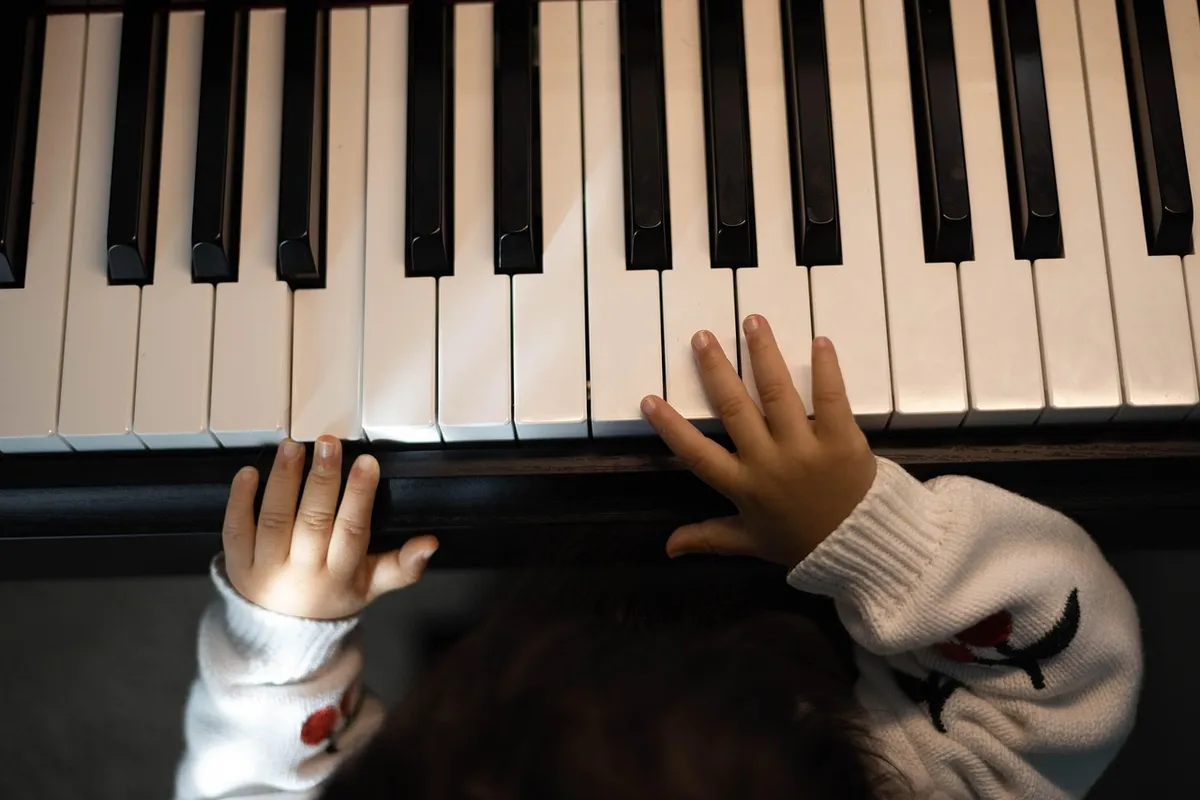
The timing of these interactions is critical for cognitive growth. While different children reach milestones at different rates, these windows of opportunity are vital for social integration.
| Age Range | Developmental Context |
|---|---|
| 8 Months | Physical signaling and pointing |
| 15–18 Months | Flourishing language acquisition |
I observed how these developmental windows shape the way a child interacts with the world around them.
How do regional accents affect adult social life?
An adult enters a professional meeting, feeling the weight of their unique vocal inflection. In 2022, 25% of British adults reported being mocked for their regional accent at work, and 46% in social situations.
These statistics reflect how the sound of 'er' in speech or other phonetic markers can lead to social friction.
The way people speak can influence how they are perceived in professional and casual settings. Understanding the sound of 'er' in speech allows for a better grasp of how regionality plays a role in identity.
Everyday use of 'er' sounds can vary significantly depending on the speaker's origin. This variation is a natural part of human diversity, yet it often carries social weight.
What is the meaning of 'er' sound in diverse accents?
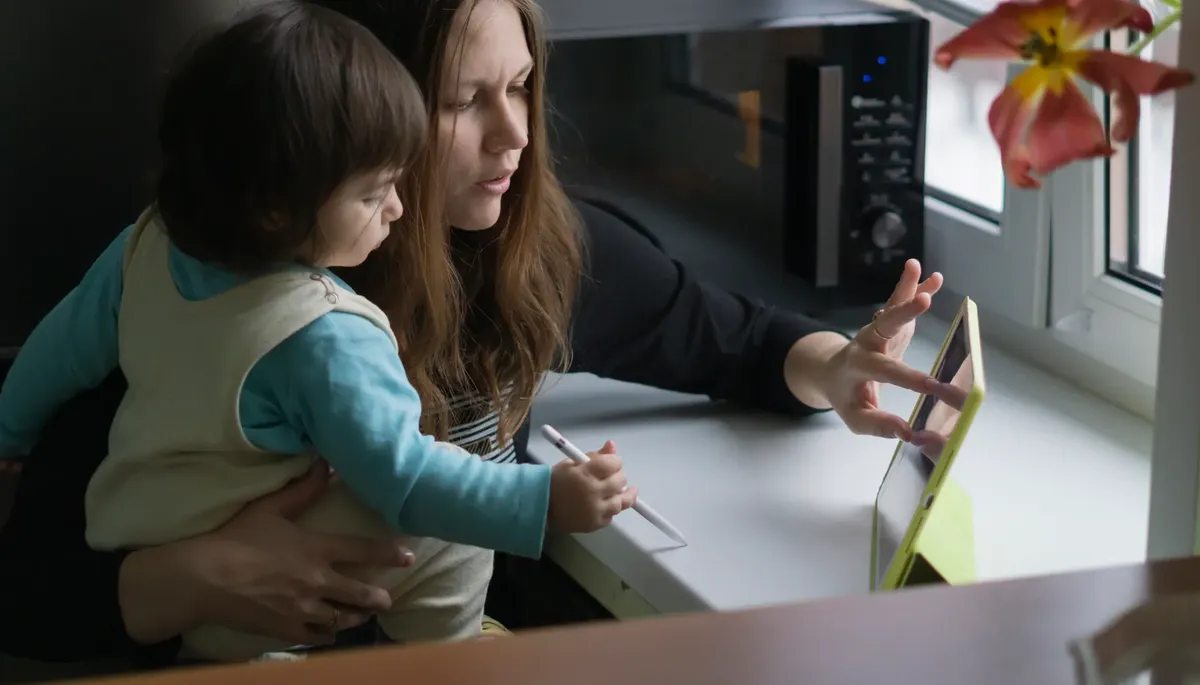
A traveler listens to the distinct lilt of a local resident in a crowded marketplace. The meaning of 'er' sound can vary between regions, sometimes acting as a softener or a specific phonetic marker. Recognizing these nuances is essential for effective cross-cultural communication.
Language is not just about words but also about the sounds that carry them. The sound of 'er' in speech is often a key identifier of a person's linguistic background.
Understanding 'er' sound usage requires an ear for subtle shifts in tone and vowel length.
When to use 'er' sound in practical conversation?
A student practices pronunciation in front of a mirror, trying to master a specific vowel shift. Knowing when to use 'er' sound helps learners blend into different social environments or maintain their own unique identity. It is often about matching the rhythm of the local community.
Practical 'er' sound usage often depends on the specific dialect being emulated or practiced.
Learning to navigate these sounds can be a challenge for those moving between different linguistic regions.
How to master 'er' sound in daily talk?
A linguist notes the way a speaker rolls a vowel to signify familiarity. To master 'er' sound in daily talk, one must observe how native speakers transition between consonants and vowels. It is a process of imitation and gradual adjustment.

- Listen to various regional recordings to identify the specific placement of the tongue. 2. Practice the transition from the preceding consonant to the 'er' sound to ensure smoothness. 3. Record your own voice to compare your pronunciation with native examples.
A final check involves using the sound in natural sentences to see if it feels organic.
The ability to communicate effectively is often tied to how well one understands these phonetic nuances. However, it is important to note that language development is highly individual, and a child's progress will not always follow a perfectly linear path.
- How does language acquisition flourish in early childhood?
- What are the patterns in early communication?
- How do regional accents affect adult social life?
Related
- Korean particle of possession: Why it shifts meaning
- Can do expressions in English: Tips for professional setting
How does the article explore language development?
The article explores the nuances of language development by examining how phonetic details contribute to overall communication success. This exploration covers the interplay between biological timing and social experience in language acquisition.
The article explores the nuances of language development by contrasting the rapid growth seen in infancy with the subtle pressures of adult social environments. These contrasts illustrate the breadth of human linguistic capability.
What is the article's primary focus?
The article's primary focus is the detailed examination of phonetic nuances within the broader subject of language development. This focus allows for a deep dive into how specific sounds carry meaning across different ages and cultures.
The article explores the nuances of language development, using the sound of 'er' as a case study for broader linguistic principles. This sound serves as a microcosm for larger issues regarding regional identity and cognitive milestones.
What does the article suggest about language?
The article suggests that language is a multifaceted system where sound contributes as much to meaning as lexicon does. The sound of 'er' demonstrates how subtle phonetic shifts carry significant social weight.
The article explores the nuances of language development, implying that successful communication requires awareness of these layered phonetic and developmental factors. This awareness bridges the gap between instinctual vocalization and complex social exchange.
Wikipedia: Child Based on the retained excerpt mentioning History and Society: Encyclopedia of Children and Childhood: In History and Society (3 vol, Macmillan, 2003) Fawcett, Barbara, Brid Featherstone, and Jim Goddard.







Comments 0