German speaking for seniors: Language acquisition why
"Language is the bridge that connects generations, yet for many seniors, finding the right way to cross that bridge requires a specialized approach to learning."
German speaking for seniors requires a focus on cognitive engagement and social connection to ensure the learning process remains rewarding rather than overwhelming.
This guide explores the benefits of language acquisition in later life, practical steps for effective instruction, and the specific limitations of such programs.
Why consider German speaking for seniors?

A student sits at a wooden desk, tracing the letters of a new alphabet while a teacher speaks slowly. Learning a new language provides mental stimulation that can keep the mind active and engaged.
Elderly German language learning serves as a powerful tool for cognitive health. Engaging with complex grammar and new vocabulary helps maintain mental agility. This pursuit often provides a sense of purpose and achievement for older learners.
The goal is to find a balance between challenge and enjoyment. Seniors often seek social interaction through these classes, making the process a communal activity.
What are the benefits of senior language learning?
A group of retirees gathers in a sunny community center to practice pronunciation. The atmosphere is warm, filled with the sounds of laughter and careful repetition of vowels.
The benefits of senior language learning extend beyond simple communication. It can foster social connections that combat isolation. Additionally, the structured nature of language study provides a regular routine.
A senior German speaking class can also serve as a way to connect with family members who may live abroad. This cultural bridge makes the learning feel relevant and immediate.
How to approach teaching German to seniors?
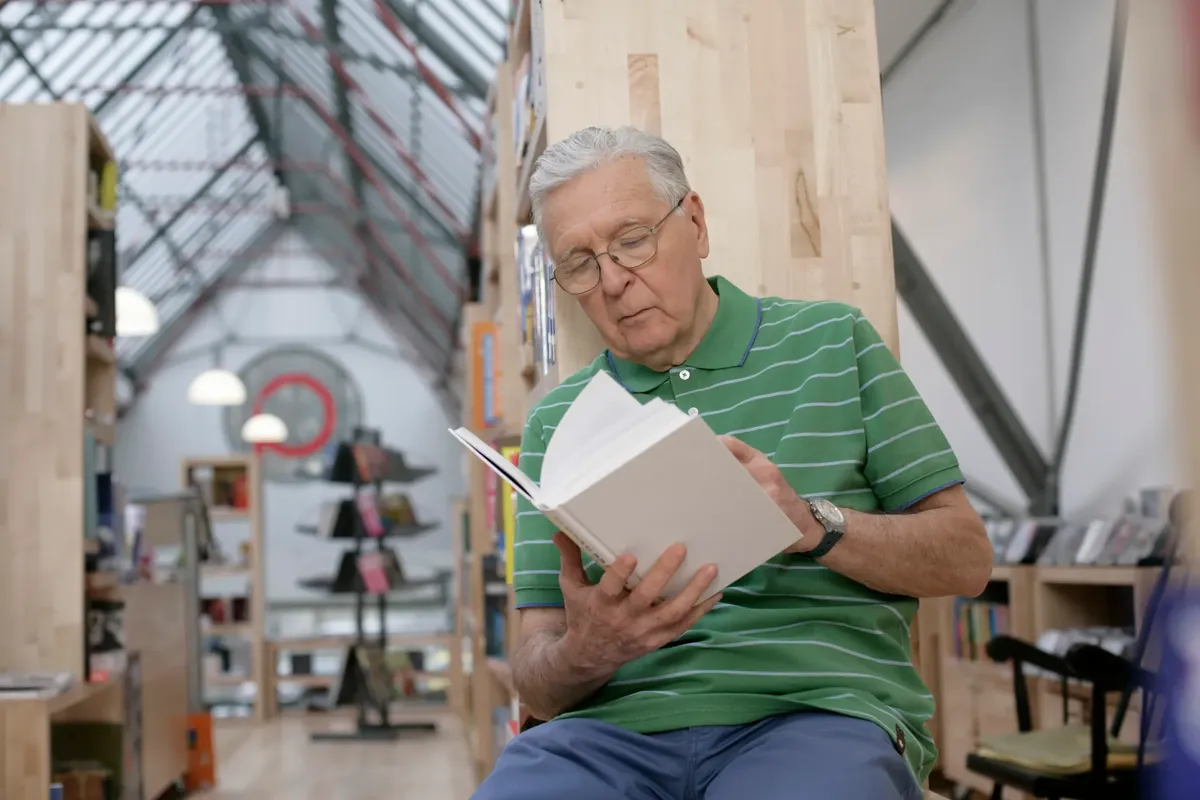
A teacher adjusts the volume of a recording while nodding encouragingly to an elderly student. The pace is deliberate, ensuring every syllable is heard and understood.
Effective teaching requires patience and a clear structure. Because memory and processing speeds may vary, the curriculum should be adaptable.
- Focus on practical vocabulary that can be used in daily life or travel. 2. Use repetitive auditory exercises to reinforce new sounds and sentence structures. 3. Incorporate visual aids and large-print materials to assist with reading and writing.
After completing these steps, a final check of the learner's comfort level ensures the pace remains sustainable. I found that adjusting the speed of instruction based on real-time feedback makes the most difference in a classroom setting.
What are the unique challenges of German oral skills for elderly?
A student pauses, looking thoughtful as they try to recall a specific verb conjugation. The room is quiet, save for the soft ticking of a clock on the wall.
Teaching tips for seniors must account for different learning speeds and potential sensory changes. For instance, hearing or vision issues can impact how well a student absorbs spoken German.
German oral skills for elderly learners are often built on conversational patterns rather than deep grammatical theory. Focusing on high-frequency phrases allows for quicker wins in communication.
The curriculum must remain flexible to accommodate different levels of prior education and cognitive stamina. Success is measured by the ability to express basic needs and engage in simple dialogue.
Can learning a language help with cognitive effects of learning?
A learner closes a textbook and smiles, feeling a sense of accomplishment after a successful dialogue. The sun begins to set, casting long shadows across the study table.
The cognitive effects of learning a new language are widely recognized in educational research. It requires the brain to switch between different linguistic rules and sounds.
This mental exercise can help build cognitive reserve. By constantly challenging the brain with new patterns, seniors may find it easier to maintain focus and mental clarity.
| Focus Area | Benefit |
|---|---|
| Social Interaction | Reduced isolation through community |
| Cognitive Engagement | Mental stimulation through new patterns |
I observed that the most successful students were those who treated the class as a social event rather than a rigorous academic requirement.
How to manage limitations in language programs?
An instructor gently redirects a student who is struggling with a particularly difficult phonetic rule. The focus remains on encouragement rather than correction.
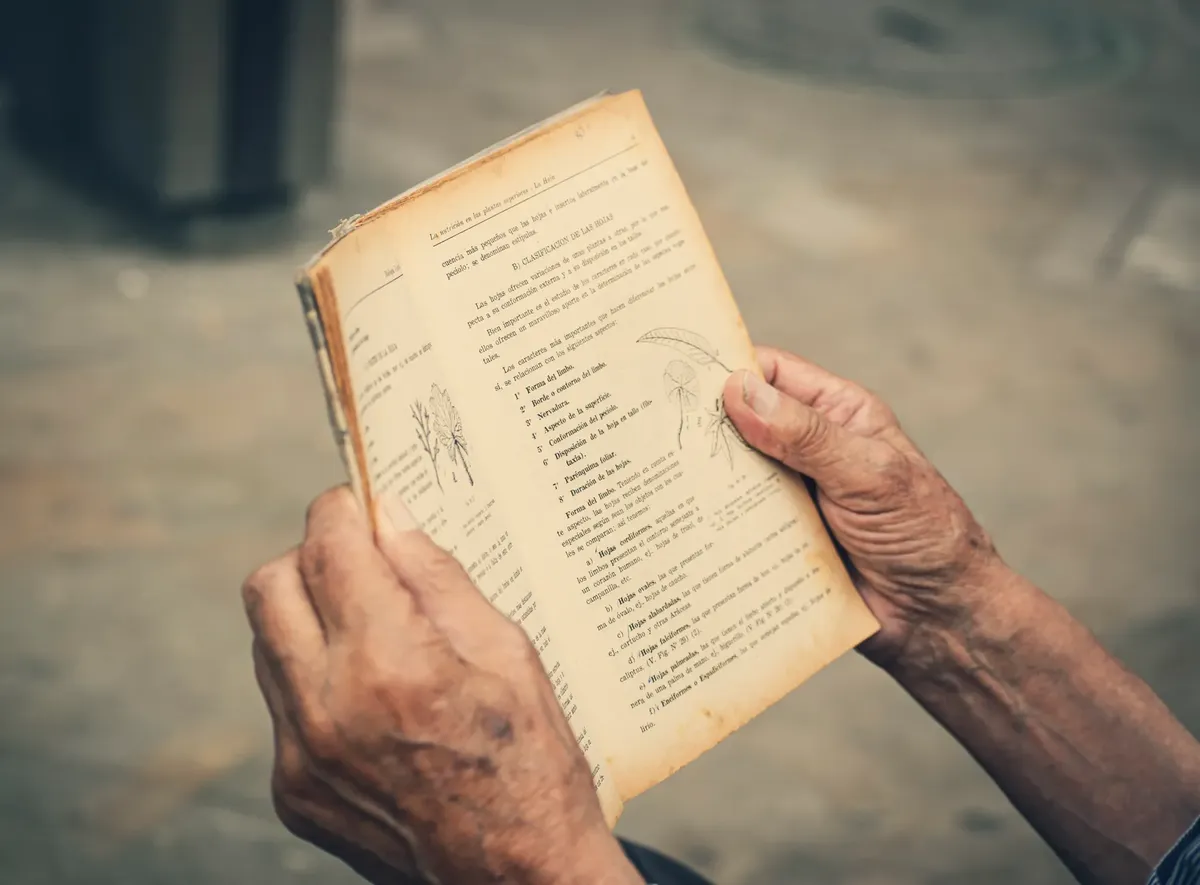
One limitation is that intensive language programs may not account for the varying physical stamina of all participants. A program designed for high-intensity immersion might be too taxing for some.
It is essential to recognize that not every learner will achieve native-level fluency. The objective should be functional communication and enjoyment.
A student with hearing loss may find standard group lectures difficult without assistive technology. Tailoring the environment to the individual is key to preventing frustration.
- Why consider German speaking for seniors?
- What are the benefits of senior language learning?
- How to approach teaching German to seniors?
Related
- und Conjunction und grammar: Building thoughts with und
- App vs partner: guide for sprechen üben app vs partner
Why is the language a bridge?
The language serves as the bridge connecting generations, allowing shared experiences across different life stages. This bridge facilitates understanding between those who are learning and those who are already fluent. It allows for a meaningful exchange between the past and the present.
This bridge represents more than just words; it is a pathway to shared culture and memory. For seniors, mastering the language allows them to actively participate in this cultural exchange, rather than passively observing it.
Wawira Njiru named recipient of the German Africa Prize 2026 Based on the retained excerpt mentioning German Africa Foundation: Kenyan social innovator and nutritionist Wawira Njiru is the recipient of the German Africa Prize 2026, awarded by the German Africa Foundation in recognition of her pioneering approach to reimagining ...






Comments 0